"It won't happen to me."
--every addict before they realize they have a problem
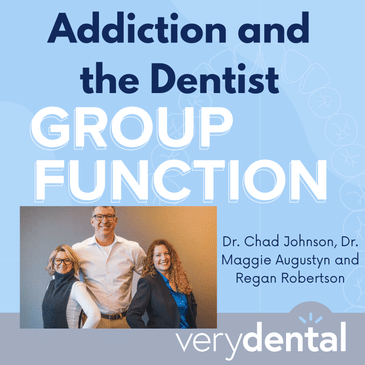
This is an interesting episode. The folks over at the "Everyday Practices Podcast" invited Al to come on their podcast and talk about addiction. Dr. Chad Johnson, Dr. Maggie Augustyn and Regan Robertson join Al to talk about his history with addiction.
-
19:31">Reflections on Addiction:
- 20:121">The prevalence of addiction, including process addictions like workaholism, shopping, and smartphone use.
- 21:74">The importance of honesty and self-awareness in recovery.
- 22:53">What is it like to live with withdrawal symptoms most days?
- 23:89">The challenges of staying sober and the importance of support systems.
- 24:78">Expressing gratitude for recovery and the opportunity to help others.
- Acknowledging the potential for transferring addiction to other behaviors (cycling, baking and podcasting for Al)
-
27:20">Key Takeaways:
- 28:87">Addiction can affect anyone, regardless of profession or background.
- 28:87">Recovery is possible with the right treatment and support.
- 30:80">Honesty, self-awareness, and gratitude are crucial for long-term sobriety.
- It's important to seek help if you're struggling with addiction.
Some links from the show:
Join the Very Dental Facebook group using the password "Timmerman," Hornbrook" or "McWethy," "Papa Randy" or "Lipscomb!"
The Very Dental Podcast network is and will remain free to download. If you'd like to support the shows you love at Very Dental then show a little love to the people that support us!
--
Crazy Dental has everything you need from cotton rolls to equipment and everything in between and the best prices you'll find anywhere! If you head over to verydentalpodcast.com/crazy and use coupon code "VERYDENTAL10" you'll get another 10% off your order! Go save yourself some money and support the show all at the same time!
--
The Wonderist Agency is basically a one stop shop for marketing your practice and your brand. From logo redesign to a full service marketing plan, the folks at Wonderist have you covered! Go check them out at verydentalpodcast.com/wonderist!
--
Enova Illumination makes the very best in loupes and headlights, including their new ergonomic angled prism loupes! They also distribute loupe mounted cameras and even the amazing line of Zumax microscopes! If you want to help out the podcast while upping your magnification and headlight game, you need to head over to verydentalpodcast.com/enova to see their whole line of products!
--
CAD-Ray offers the best service on a wide variety of digital scanners, printers, mills and even their very own browser based design software, Clinux! CAD-Ray has been a huge supporter of the Very Dental Podcast Network and I can tell you that you'll get no better service on everything digital dentistry than the folks from CAD-Ray. Go check them out at verydentalpodcast.com/CADRay!
[00:00:00] Let's be honest, running a dental practice takes grit and determination. Between keeping your schedule on track, supporting your team, and delivering top-notch care, it can feel like there's never enough time in the day. And when things aren't organized, that's when the real stress starts to build. I've talked to so many practice owners who say the same thing. There's got to be a better way to stay organized. And the truth is, there is. They developed the Color Method, a smart, color-coded system for organizing our instruments and materials. We're talking procedure tubs, trays, burr blocks, and affordable cassettes,
[00:00:29] that make it easy to stay on top of everything. So your team works more efficiently and your day runs smoother. I've had the Zerk team on the podcast a number of times to talk more about this. And the fact is, you can no longer afford to ignore lean clinical performance. Just picture it. No more of your assistant getting up to retrieve something mid-procedure. No more frustration with misplaced materials. No more expired materials costing you thousands. Imagine easier onboarding with new hires. And best of all, being self-sufficient for weekend emergency calls. With Zerk's Color Method, you're not just saving time. You're creating an environment where you're not saving time.
[00:00:59] Where your team can thrive and your patients and your bottom line feel the difference. If you're ready to trade clutter and disorganization for control, visit colormethod.com. Trust me, you'll wonder why you didn't do it sooner. That's colormethod.com. Your path to a more efficient, stress-free practice. Check it out today. Your future self will thank you. This is a production of the Very Dental Podcast Network.
[00:01:30] First, you take a group of Very Dental People. Then you add some interesting topics and a few microphones. Finally, add some laughs and collegial good cheer and you get the Group Function Podcast. Very Dental People, welcome to another episode of the Group Function Podcast. Now, today's episode is going to be kind of interesting. A few months back, I was interviewed by the hosts of another podcast called the Everyday Practices Podcast.
[00:01:56] The hosts are Dr. Chad Johnson, Dr. Maggie Augustine, and Regan Robertson. Now, they've been doing a podcast for the Productive Dentist Academy for a while. And actually, I was on the 11th episode of their podcast with Chad in 2018 or something like that. So I'll put that link in the show notes for that old episode. But they wanted to have me on to talk a little bit about something I talk about a lot, addiction, and my experience with it.
[00:02:24] And it was a pretty powerful episode. I was glad I went on. It was a good time. And so I thought I would put it out here so you guys could hear it as well. So like I said, this is basically an interview they did of me for their podcast, the Everyday Practices Podcast. And I hope you enjoy it. So if you get anything out of this, say something in the Very Dental Facebook group. If you're not a member of the Very Dental Facebook group yet, go on Facebook, search for Very Dental. It'll come up.
[00:02:54] You're going to request an invite. You're going to give me one of five passwords. The passwords would be Timmerman, McQuethy, Hornbrook, Lipscomb, or Papa Randy. Any of those five will get you in. Got to give me one. I'm not letting people in without the password. Just so I can make sure that it's all people who have listened to the podcast. And again, I hope you enjoy this group function with my friends, the hosts of the Everyday Practices Podcast. Welcome, everybody, to Everyday Practices Dental Podcast.
[00:03:19] This is co-host Chad Johnson here, and I'm here with co-host Regan Robertson and co-host Maggie Augustin. Maggie, Regan, how are you both doing today? I'm great. Thank you for asking. I am excited to rip the Band-Aid off and dive into a really good discussion today. That's serious. Yeah. So, listeners, today we have Alan Mead with us. Dr. Alan Mead, you're practicing up in Michigan, but is it near Detroit?
[00:03:48] Tell me where you are, Alan. My practice is in Saginaw, Michigan, which is about an hour and a half almost due north of Detroit. And I live in Midland, Michigan, which is a couple hours north of Detroit. Got it. And I first met you as a fellow podcaster and Facebooker, and we were diving into this topic today. And I thought, you know what? Alan's been forthright before. It would be healthy to have him on if he were so inclined to humor us to join.
[00:04:18] And sure enough, you were. So, thank you very much for joining us today. Of course. Yeah. So, I want to kind of give some backdrop. We were wanting to talk about addiction on multiple episodes, and you came to mind because you've overcome that. Can you kind of give a synopsis as long or as short as you want? So, that way people can know the context.
[00:04:46] And then my goal or our goal is to talk about also how you go about being healthy after, you know, your history and making it stay as history and being healthy in a community with others and also being a good example to others because it's not something that anyone necessarily chooses other than the choices that you make. But, I mean, sometimes it finds you. So, tell us your history for the listeners. Sure.
[00:05:16] So, I graduated from the University of Minnesota in 1997. Okay. I actually – I was not – through college, you know, definitely high school and through college, I was not really a big drinker. I turned 21 when I was a senior in college, right before I started my senior year. And I drank like a college student then, but it was not like – it never was a huge deal in college. I got to dental school and a couple things happened.
[00:05:45] First off, college wasn't very hard for me. Like, I didn't struggle to get grades and stuff in college. But dental school was a whole different animal. I was fine with the academics. But, you know, there was a fair amount of hazing involved. And I wasn't naturally good at the dental stuff. I mean, I wasn't like – you know, I didn't have hands with gold or anything like that. I was kind of like a dull normal that way. And, I mean, that was everything, right? Like, it was the first time I'd hit a challenge where I was like, wow, this is – and they
[00:06:12] weren't – you know, in dental school, they weren't super kind about that stuff. So, I – and I didn't have – I'd never really developed a lot of coping mechanisms prior to that because I didn't really need them in the same way. You didn't have any need. I mean, and everyone needs it, but I just really – I really hadn't. And the other thing is then you pour the culture of drinking in dental school and in dentistry in general, actually. And so, I mean, I got into it. I was – and so I lived at the Psi Omega house at University of Minnesota for three years, and then I lived in an apartment.
[00:06:41] All of these places were places you'd walk everywhere. I never had to drive anywhere. I mean, I had a car, but I didn't – you know, I didn't find myself – I walked to school. I walked to – so the interesting thing about drinking like an alcoholic – I don't think I was probably an alcoholic then, but I drank like an alcoholic. I never had to drive anywhere. So a lot of times the consequences of drinking a lot are because you drive. Like, the – drinking is pretty socially acceptable for the most part.
[00:07:12] You just don't get the DUI and you're fine on some level. And I mean, that's an oversimplification to be sure. But – so I didn't really find consequences of my drinking in dental school really at all. And I drank like everyone else did, or at least it felt like that. At the time, I didn't know this, but I mean, like, drinking was a coping mechanism for me. So – and I mean, I kind of stumbled through dental school, you know, using that as a crutch. And so I graduated from dental school in 1997. I came home. My dad's a dentist, and I was an associate for him.
[00:07:41] It's a whole new different heap of problems. And I was – you know, I was not – I didn't come out feeling like a clinical rock star, like some of these young dentists seem like they seem like now. I didn't have any podcasts to listen to. I didn't have any kind of grounding at all. And my dad was a good mentor, but I don't think he realized that, you know, I had been using alcohol as a coping mechanism. And I just – I didn't hit the ground running.
[00:08:09] And drinking alone is a little weird kind of thing, you know. And not that I didn't. In retrospect, not that I didn't. But, like, drinking was not sort of the thing. But in 1997, it was a medication called Vicaprofen. I don't know if – depending on how old – yeah, okay. So people remember that. But Vicaprofen was brand new. And it was pointed hard at dentists because it was a – It was a beautiful marriage of ibuprofen and Vicodin. Yeah, yeah. And hydrocodone, exactly.
[00:08:37] And so it was pointed towards, you know, surgical stuff and everything. I've laughed about this before because they had a – they'd send you samples. You could send away. They'd send you a box of 20 or something like that. They'd send you a couple of boxes of 20. And I tried one. I didn't – I'd love to tell you that it's because, you know, I turned my ankle or something like that. I'm like, no, I just want to try one and see what it was like. And I realized right off the bat this was the thing for me. This was definitely going to do it. So I didn't have to drink.
[00:09:04] And all the downsides of drinking, I could kind of – and so it did not take me long. I could go in more depth. But I was – it was not long before I was off to the races and I was using opiates as my coping mechanism. And you find that the samples didn't last. So I literally bought a practice, the same practice I'm in now, partly because I could then get away from my dad so I could, like, order with my own DEA number. And it is – it was shockingly easy to order all this stuff and get into the – you know, like they were not – I think they do a better job now with monitoring that stuff.
[00:09:34] But they didn't really back then. And so I was – so it was about four years worth where I was in active addiction. It got worse and worse. And I was taking an awful lot. I was using it while I was working. I was doing everything that you're not supposed to do, obviously. And it was a coping mechanism. And frankly, it didn't do a very good job. I didn't cope that well. But by the time I was, you know, physically and emotionally and, you know, I guess mentally addicted to it, there was – you know, no one goes in thinking that they'll become addicted. That's the other thing.
[00:10:04] Like, there's not a drug – I have a question. Yeah. So, you know, you're starting to enjoy it and go down that path. Yeah. And did you have any boundaries? Can you recall any boundaries where you were like, you know what? If it gets to this, then it'll be a problem. No. But it's not right now. No. I mean, I know there were – occasionally you would have what they call in recovering
[00:10:33] communities is a moment of clarity where you'd kind of stick your head up and go, wow, this is insane. I can't believe this is happening. But no. And all the boundaries you would think that one would cross, I crossed quite quickly. Like, I – and you'll talk – particularly physicians and dentists that get into these kind of drugs. They justify a lot. And basically, they're like, look, I'm better. I'm better when I'm high. I'm better when I'm using. Like, I actually –
[00:10:59] That's what I wondered is if you had an issue and like that you said, okay, here's my boundary. Even if you crossed it after one week, if you said, you know what? I'm not going to use it during the workday. Most people – yeah, most people do. I didn't. I didn't. That was one of the reasons that it was – I think – I think when people say that, I don't know that they're being really honest because – No, no, no, no. But that's what you're doing. You can't just do it on the weekend or in the afternoons. Correct. Well – I have a question for you though. Did anybody know? Later on, they did.
[00:11:28] Earlier on, I think people didn't know. But I mean my behavior was bizarre. Like I mean – You're a dentist. Once you – Yeah, exactly. I said that. But I mean like I would – because I was using opiates. I had some of the classic things. Have you ever heard opiate nod where you're like literally like you're kind of out of it? That was kind of classic for me. I missed a lot of work whether that was because I was in withdrawal or because I just wanted to stay home and use or whatever. I missed a lot of work. It was sort of the classic opiate things I had.
[00:11:59] But towards the end, they all knew I was ordering it. And I would get real desperate knowing when it was – and I was ordering a lot and quite often because I ran through it so quickly. So like my days would always get better if I was going to get a delivery and all that stuff. It was a hot mess. It really was. So this was like what? Henry Schein or one of these? Yeah, it's funny. Darby and Henry Schein were kind of my go-to. But I also – after a while, I'd use so much that I would – this is not – it's not a great situation. But I would fake scripts to pharmacies.
[00:12:26] There are pharmacies all across my region that I would do that to. I would write a script for my wife or something like that and go pick it up. So just – and each time you do that, that's a felony, by the way. Just – so like if I had ever been prosecuted, I would probably still be in prison right now. I did that so many times. So like the reality is it's like – and everyone – Alan, Alan, what makes you brave enough to say this on the air? I mean that makes me go, oh my gosh. Why are you sharing a story that – that's serious. 22 years ago is when I got clean.
[00:12:57] So I figured that the statute of limitations are probably done. Do you figure or did you look it up? It has never crossed my mind. I'm not worried about it at all. You're – I mean you're incredible. And I don't know that you give yourself enough credit standing where we're standing. I know there's so many people that struggle with this. To hear your story is just incredible to hear and to admit what you've been through.
[00:13:25] And you right now are minimizing what you've been through and how hard you fought and who you are. I'm going to push back a little on that, Maggie, because here's the thing. The first time I told my story in public, it was probably five years after I got clean, which would be probably 2007. The Michigan Dental Association meeting.
[00:13:49] And it was pretty – it's emotional every time I tell the story, particularly in front of a group where I've been talking about addiction. I used to talk about addiction a lot. I really haven't for a while. And it was emotional. It was tough. And people would ask that. I can't believe you're saying this. I'm like, well, if no one says it, if no one is open and honest about the kind of crazy stuff that was happening, then no one believes that it could happen. You know what I mean? Like no one talks about this stuff. Still to this day, I always thought that people would start being open. They aren't.
[00:14:17] I was on the committee for the Michigan Dental Association that helped dentists and team members that have addiction. And there was never a time I would run across these people and they would own it. Like, I'm in trouble. I need help. No. No. They constantly pushed back. I ended up quitting the committee because I was so tired of people lawyering up and running away when we were trying to offer help. I won't lie to you. And that's a little dark that I say that. It's true. I mean the reality is that that's how this works. You know, addiction is – you don't get to pick and choose the parts of addiction. Addiction takes over. It really does. It is what it is and that's what it was for me.
[00:14:46] Now, 22-plus years later, it's like talking about a different person. So on some level, when you guys are asking, aren't you worried about the felonies? I'm like, nah, because, you know, they haven't come for me at this point. I figured that they can use me as a terrible warning instead of, you know, getting my lesson taught. I mean, we'll see. I think I'm probably pretty safe. Yeah.
[00:15:06] And that was going to be a series of my questions, which we can't really get to because, as you know, the president of the ADA, Brett Kessler, very bravely talks about his addiction to alcoholism.
[00:15:17] And the question that I have for him, which I haven't been able to have answered, is, you know, I know that when you admit your addiction, and I thought that I heard you – or maybe it was Gary Cady that talked about, you know, when you start to talk about your addiction and, you know, you have to start proving whether – I think it's to whatever regulatory body. They come and visit you or do whatever they need to do to make sure that you can keep your license.
[00:15:46] And some of the questions that I wanted to ask you is what that looked like for you, but it sounds like it never got to that point. Oh, no, no. It totally did. Totally did. Okay. So, yeah, let me fast forward. So, I don't have to go into deep – you know, it was a mess. It was my life was driven by the needing and using – you know, using, needing to get more to use. That was it for four years or so. So, I got – And can I ask you how much money did you spend on your addiction? Okay. I mean – well, you know what's interesting?
[00:16:14] It could have been a lot worse if I was into illicit stuff because I was buying – I was buying stuff from supply companies. So, it wasn't – Yeah, under your DEA license. Exactly. So, it's not that expensive. Yeah. It's – I mean, you're buying – you buy it wholesale. What the heck? You know, it's a – I mean, I – on some level, if you were into cocaine, if you were into illicit stuff, you're going to be paying a lot more and there's more. Mind you, you don't get a DEA number and you're not really allowed to buy it for yourself. So, that's clearly not part of the deal either. But that's what I was doing.
[00:16:43] The money was something, but it was more like – it was more just the – shoot, I got married while I was using. I got everything. Like, I bought a practice while I was using. I did everything while I was using. My entire life was completely affected by it, of course. But there came a day – interestingly, one of my really good buddies, he's an oral surgeon in town. And he – I went in. I had like a – I had like an ingrown hair or a lipoma on my neck and I wanted him to take it off. And part of it was because I wanted – he was going to sedate me to do it. But – and then he'd write me a script.
[00:17:12] I would basically have done anything to get a script or whatever. It was – it was pretty desperate, but also I had this thing on my neck. And so he did it. And he was the first one that figured out what was really going on because he tried to sedate me. And he couldn't. Because when you have a tolerance like I did, there's not enough – you know, he was going to drop a big bolus of fentanyl on me. And like, okay, here it comes. And I was like, huh? Nothing. You know, he realized that there was something not right with me, you know.
[00:17:38] So like whether or not I was just stupid or asking for help, I don't know exactly. I can't quite remember. But the reality is, is like he's the one who figured it out and he's the one who kind of – he kind of twisted my arm and got my family on board who knew something was going on but didn't realize it was drugs. And they got me into treatment. So they came in. If you've ever seen those shows that are like the intervention shows. Like an intervention. Yeah, intervention shows. My intervention would have made terrible television.
[00:18:06] I can say that right now because I was at the office alone. My team was kind of in on it and they didn't come back after lunch that day. And so my family and some people came in to intervene. But in the meantime, I have to tell you, I had been trying to stop in different ways. Like I – literally by that time I had kind of given up trying to stop. But throughout all this, you're like, this is crazy. I need to stop doing this. But I couldn't. I didn't – I couldn't do it. I couldn't do it. And mind you, I never thought to try going to a Narcotics Anonymous meeting. I never thought to try and go to an AA meeting.
[00:18:36] I never thought to talk to anyone about it. This was my – Was it shame? Yeah, I wondered the same. I mean, there's always a lot of shame with it. But I also – I'm not going to lie to you. I never – I wasn't going to talk to anyone about it. I wasn't going to admit anything to anyone. And by – to get help, you kind of have to admit a little bit, you know. But did you – like were you sure you had a problem or were you still at that point? Oh, yeah. Oh, yeah, I was sure. Okay. Yeah, there's no doubt. I mean, not that I was looking for help, but I knew I had a problem. And I had stopped trying to quit.
[00:19:06] That's the scary thing. So I'd stopped trying to quit. And with as much as I was using, like my – what it took to get me high, what it took to get me where I wanted to go, the amount that I was having to do was probably close to the dose that you'd overdose. So frankly, I probably overdosed or was close to overdose every time I used at that point. Do you remember how much that was? Oh, yeah. Oh, yeah. The very last day that I used, I didn't really do anything where you had to shoot. I didn't know how. I didn't know how to do IV. So I took pills.
[00:19:34] I took my regular dose when it came, and that was the day I was waiting for a delivery. I got the delivery. I took 26 Lorset 10650s on an empty stomach, and that was really good. Now, if you do the math on that, 26 10650s. So that's – no, 15 10650s. I'm sorry. 15 10650s. It's 26 grams of acetaminophen at a time. 26 grams, not milligrams. 26 grams of acetaminophen. So everyone's liver is sort of crying out in pain right now.
[00:20:03] I was just going to say RIP your organs. Yeah. Well, interestingly, the guy that I went into treatment with was convinced that there are some people that have – that can catalyze acetaminophen better than others. Because I came in, and my liver enzymes were slightly elevated. Slightly elevated. Slightly elevated. That was all it was. Like, can you freaking imagine? That was a lot of acetaminophen. But then it was 150 milligrams of hydrocodone, which is a lot. But that's what it took to get me feeling okay. Because I was in withdrawal constantly and all that stuff.
[00:20:32] So that's the last time I – yes. Well, there was – I wanted to back up one point because there is an underbelly – like, there's a softer side of addiction that I think that people don't address. And what you're sharing with us is your – I mean, that is an extreme case to me, meaning it's common, but it's – you know, that is with a substance. And there are other forms of addiction that we can pull ourselves into that happen every single day. Like, I was talking to our co-hosts here right before we hit record. There's shopping.
[00:21:01] There's smart form use. There's being a workaholic. So there's things that we do to cope. And you said something really, really fascinating that I want to go back to. And it was they will justify. Like, you will justify to keep using. And you justified. And not only did you do that, you knew. You knew you were addicted, but you kept going on. And I wanted to go back to – it was your friend who got you into treatment.
[00:21:23] What was that definitive moment and made you flip and change your behavior and say, I will go into treatment? Because otherwise, you're just on that wheel constantly over and over again. And some forms of addiction, Alan, can go a lifetime. It's either going to kill you or you're just going to keep hurting yourself another way. In some ways, being addicted to opiates, first off, no one does what I was doing and can look someone else in the eye and go, this is totally normal. No big deal.
[00:21:52] So on some level, it was helpful that it was so crazy, right? Because the reality is, it's like, yes, buying stuff that you don't need. It's all pushing the dopamine button. The question is addiction actually doesn't even have to do with the substance or the activity. Addiction is what is it doing to your life? What is it doing to your life? So one of the screens that they use is like, what are the consequences of this in your life? Okay, so if you like to shop an awful lot, is it affecting your life?
[00:22:22] How is it affecting your life? Is it making it so you can't pay other bills or is your family? All those things. Addiction has a lot less to do with what you're doing or the substance you're using. It has a lot more to do with how it's affecting your life. And that's, I mean, there were no parts of my life left unaffected. But the reality is there's plenty of other addictions that could affect your life. And I kind of believe in all of it. It's all about the same thing because it all deals with the dopamine.
[00:22:50] It all deals with the feel-good system, the do-it-again system. You know, it's all that. You know, the rush you get from, I mean, the rush you get from buying something new and the package coming and that sort of thing. I mean, I'm familiar with that. I know that story.
[00:23:04] Do you find yourself in a position that because of this particular kind of past and the way that your brain has been rewired as a result of this addiction, you are more vulnerable to the possibility of becoming addicted to something else? Yes. And then do you take precautions in your life to protect yourself from that? Yes. But to simplify, I don't use any drugs or alcohol.
[00:23:33] And I haven't for almost 23 years. I just don't. I don't do it at all. I don't try. Maybe it wouldn't affect me, but I just don't. So that simplifies a lot of those kind of addictions. And I got to tell you, what's interesting is that a process addiction, your dopamine is getting hit with your own dopamine. That's the internal – that's your own brain chemicals. The problem with drugs and alcohol is it's actually – you're adding brain chemicals. You know what I'm saying?
[00:24:00] Like it's a little – there's a slight difference between substance addictions and process addictions because the process addictions are all – all the chemistry in your brain is getting stimulated by your own brain chemicals versus mine was getting stimulated by opiates. You know what I'm saying? So in some – there's a little difference between the two of them. But process – if you've talked to anyone who's a serious gambling addict, I mean that's like cocaine. Like they can't stop.
[00:24:26] It's really – and so – but gambling, the brain chemistry is all internal. It's all dopamine. But those people get hooked just as hard as anyone. So the reality is all that's real and I don't know that – I'm not sure that it's important the how. So – but like I – the one – you know, one main precaution is I don't drink and I don't use drugs. And I've – that part has been – I mean on some level – it's really funny because that was a lot harder in the beginning. I'll say this.
[00:24:55] Getting clean, a lot harder than staying clean. Uh-huh. Like – and I'm not going to say that in the beginning it wasn't really tempting. But there reached a point with me that – and I've asked a lot of recovering people this. And some of them – some of them struggle with it. I'm like, okay, if I could use whatever I was into, if I could use anything and get away with it with no consequences, would I do it?
[00:25:22] But in other words, like if you could just avoid all consequences and use what you wanted – I don't want to anymore. Doesn't really thrill me. The idea doesn't thrill me because I'm kind of interested in taking life on life's terms a little bit. I don't want to change – you know, my perceptions are already not so great as a human being. I don't need to – I don't need to make it any worse by pouring that gasoline on the fire. And I mean that's sort of – it took me a while to get there.
[00:25:48] You know, I'm not saying that – I'm not saying that I could never or would never. But I don't – it's not very hard anymore. It doesn't – and honestly, I'm even around it sometimes. Like I'm even around people who are drinking. I don't like to be around people who are drinking, but I don't have to not be around them because it just doesn't really do anything to me anymore that way. So if you found yourself in a position where somebody was holding, you know, vicoprofen in front of you and this is the matrix scenario. Yeah, yeah, yeah.
[00:26:19] Like your wife and kids are not around. You know, alcohol is alcohol, but, you know, as an addict of opioids, that is what we're presenting to you. Here, let me give you a scenario. I have a friend who's an addict and she's been clean for 12 years. Now all of a sudden she goes to Mexico and in the hotel lobby they're selling the drug that she's addicted to, which is Valium. Yeah. Okay. And her husband's not with her.
[00:26:49] And she's 12 years clean and she doesn't need the Valium. But now she's like, well, you know what? Maybe one day – I mean I've had some nights that I can't sleep when I'm traveling. It sure would be nice just to have a little bit of Valium. And she's tempted. Sure. Does that happen? What would you do? What would you do? Like how tempted would that be? Would you be affected by that if you were in Mexico and they were selling Narco? Yeah.
[00:27:19] They probably are, by the way. But – Yeah. I will say this. I still count my clean time. Every year on the 10th of January, I go out on Facebook and I say another year, 23 years will be this coming January. I still count it. So the reality is I've got too much riding on it to do something stupid like that. I guess if I didn't take it that seriously, if I didn't think it would be that big of a deal, maybe. But it just doesn't appeal to me at all. And I mean I've been in situations where I could have –
[00:27:47] Okay, so I got hit by a truck on my bike in 2020. Oh, yeah. You literally did get hit by a truck. In 2020, I got hit by a pickup truck on my bike and I broke my back in two places. Now, that sounds worse than it actually was. I walked away from it. I mean like we only found out that I broke my back from the MRI. But I had to wear a brace. I didn't have to do surgery. I had to wear a brace. But like – So I was in there and I – It hurt, you can imagine.
[00:28:15] And they offered me medication and I didn't take it. I'm like, you know, I'm doing okay with this. I mean – And it sucked, but it wasn't that bad. And I'm like, I really don't even – Because the concern is I'm sitting in a hospital room all alone. This is right during the pandemic too, by the way, which was an absolute trip. You're in a hospital. It's like a horror movie. There's no one there. The place is empty. I'm in a hospital bed. And I'm not allowed to get up because the neurosurgeon hasn't come. So I have to stay in the bed.
[00:28:41] And so all I got is me in a bed and I have the opportunity to take this stuff. And I didn't do it because I'm like, you know, it's not – I'm going to look back and be glad that I didn't. Now, if it gets bad enough, maybe I'll consider it. But they offered this to you knowing that you were an addict? Yeah, yeah. But, I mean, here's the thing. It's not their responsibility, Maggie. It's my responsibility. Because no one's going to call the cops on me if I take a Norco because I got my back broken. No, they're not. But then you become a walking liability if you take the Norco and then you're back in addiction.
[00:29:11] And then you can sue them for becoming an – for – Well, who took it? I don't know if you want to call it an activist. No, I mean, I get it. I know what you're saying. And I always – In today's litigious society – Yeah, I don't live that way. I can't live that way, to be honest. The litigious society – Well, you don't. You don't. But there's plenty of people that would. I know. And they have worse lives for it. I'm going to tell you that right now. They really do.
[00:29:41] That I didn't, right? And I don't – I have to say, I work with a sponsor. I have a lot of 12-step background and all that stuff. And so if I had decided I was really going to – I would have talked to my sponsor about it. I would have made sure that if – it would have been an accountability thing, whether that's – I'm going to just take it in the hospital and I won't take it out. Because the other thing is, you know, it had been 20, almost 20 years by the time that had happened, 18 years, something like that. And I mean, I was pretty serious about it. And I mean, obviously, people need to take pain medication sometimes.
[00:30:10] There's legitimate reasons to take pain medication. That probably would have even been one, except I was like, ah, I think I'm okay. And I did fine without it. But the reality is, so like, yeah, it becomes – and I remember when I was in treatment, that's all we ever talked about. Oh, man, what happens if we are in a situation? Because, of course, at the time you're like, man, I hope I'm in a situation like that so I can try it again. You're thinking to yourself. And you come to realize, nah, not really. Nah, you don't really want to do that. And I will say this too, something else, Maggie.
[00:30:38] The few times when I have like a using dream or if I have a really bad day and I'm like, you know, man, it would be pretty good to have some of this. You know what it is? It's a beer that I want because that's where I started in dental school, man. It was a beer. A beer could change the way my day went in dental school. Now, mind you, yes, of course, all the opiates could do that too. But for whatever reason, that's where my brain goes now, even though that opiates were my problem. So the reality is I'm kind of unsafe at any speed with that stuff.
[00:31:06] So I just don't – I try none of it and that keeps me pretty sane. Now – Can we – Oh, go ahead. I was going to say, can we talk about treatment? And here's some context around that. I think addiction is far more prevalent than we give it credit. I think it's far more prevalent than we track scientifically. I think alcoholism and drug addiction, those things get the biggest attention.
[00:31:32] But, you know, since all of us are in dentistry, we all know there are a lot of life coaching opportunities out there. There's constant bring balance to your life over and over again. And I'd like to go underneath the surface because you can hire a life coach to help you bring more balance into your life so that you spend more time at home and you're not as much in the office. There's practical ways you can apply that. But not if you are addicted. If you are addicted to work.
[00:31:56] So, if you are getting your dopamine hits because of the value you see that's presented to you when you are working, it's not going to solve the problem. So, you're going to waste thousands of dollars trying to figure out different frameworks and you're applying them. But if the addiction is there and it's untreated, I hear treatment facilities. I don't know personally. I haven't Googled it. I don't know if there's treatment facilities if you have a spending problem, a gambling – probably gambling.
[00:32:20] But shopping, smartphone use, and you can't get off the phone, those types of things. I don't know that there's treatment for that. So, could you be our eyes and ears and walk us through how treatment helped you rewire your brain? Like what things did you have to put in place to get to the point today where you can say, I'm fictitiously in Mexico. This drug is presented to me and I can say, I'm too stupid and I can walk away. Because that's a very – it's awesome that you can do that.
[00:32:49] I don't know that people are that strong, especially if they haven't gone through treatment. Well, it's interesting. Okay. So, I went to a place. It was called West Michigan Addiction Consultants. It's based on a model, the Talbot model, which is actually in Atlanta. And it's very specific. It's quite specific to healthcare providers. So, I was in treatment with – there was like one other dentist there when I was there. There's a whole bunch of anesthesiologists and nurses, as you can imagine, because they have the keys to the candy store, if you know what I'm saying. There were some surgeons.
[00:33:19] There were some – a lot of physicians, different types of physicians, but a ton of more anesthesiologists. I would argue that dentists are particularly susceptible to drug addictions because we don't have much supervision and we have a DEA. You think still? Yeah. Oh, yeah. I mean like – no, I'm saying still most dentists work alone. What I'm talking – I'm talking like human – you're the boss. And my team didn't feel like they could call the cops on me. I was writing their paychecks, right? Like that was – I was the sole practitioner.
[00:33:47] But I think ordering drugs is far more difficult now and so is writing scripts. It probably is. I don't know. I haven't tried, so I don't know. I mean you wouldn't have expected it to be as easy as it was. I will say that at the time. And like for instance, most people don't realize that you have to have a federal drug control license and probably a state drug control license to have controlled substances on your property. And you handle – you have to – if you're dispensing, not administering but dispensing, you have to dispense like a pharmacist.
[00:34:17] You have to dispense like a pharmacist. There's a lot of rules to it. Not that – but no one's checking. I'm telling you. Back then they weren't. Maybe they are now. They are still not very well. I don't think – dental offices are sort of – they don't have the same kind of administration as hospital and medical situations. There's no doubt about that. And mostly the dentists that might be in trouble are the ones that are doing the administration. And that could be different now. That's what definitely is with me.
[00:34:46] They're probably not going to audit your chart audits until you're being audited for something. But until then, it's honor system. There's probably a lot of that. I remember there was a time that maybe when this was happening to you, Alan, that there would be people coming to my office that were like many pharmacies that were like, okay, here's a cabinet that we're going to sell you with a little lock.
[00:35:11] And please buy codeine and Vicodin and acetaminophen and antibiotics. And please stock them. And here's a bunch of stickers. And here's a book. Oh, so they were actually telling you how to do it like a pharmacy, it sounds like. Yeah, but they really wanted us to dispense that at $20 to the patient per bottle and whatever.
[00:35:41] And the patients didn't want to do that because they were getting it free with their insurance from the pharmacy. So then like two years later, you're stuck with all these drugs. Sounds great. Right. I mean, I never ran into that. Thank God, honestly. But I never ran into that. But I also was not someone who was following all the rules on clearly on that stuff. So what I would say is that dentists are probably susceptible for the fact that a lot of us still work alone.
[00:36:11] We have a lot of access if we want it, if we choose to. And that's the other thing. Most dentists don't choose to. So probably one of the reasons they don't audit so hard is because dentists probably, for the most part, don't do this stuff. But the ones that do can get away with it because, I mean, I did. I don't know. And again, that's 22 years ago. So I don't know how it is now. I'd like to think that it's a lot harder to do what I was doing. And the other thing is that there's a lot more illicit stuff out there. Like, thank God I wasn't in trouble at the time that fentanyl was all over the place.
[00:36:40] Apparently, it's easier to get fentanyl than it is. I don't know. So stuff changes. But I'm a little off track here. So I – Let's get back to Reagan's question. As far as treatment, I went into this place. It was a lot of health care professionals. It was an intensive – I was in treatment for four and a half months. My dad covered my office while I was gone. I was in – I wasn't in treatment part-time. I was full-time. So I was gone from my office for essentially four and a half months.
[00:37:08] That's another reason people are not willing to do treatment because, you know, their livelihood doesn't stand up to it. And I will tell you what, when they lawyer up, when a guy gets confronted with the fact that he drinks too much in the office or he's gotten in trouble with drugs, the lawyers are like, what are you going to do? You're going to make it so this guy – he can't possibly go to treatment this long. He'll never make it. I mean his office will go on or on. There's a lot to that. There's a lot to that. But – so I was there. We did two therapy sessions. Like it was group therapy.
[00:37:38] It was – everyone went to a 12-step meeting every day. And I lived in a community situation where we lived in apartments, four people in an apartment. And it was other people in treatment. And so we were kind of – the community was kind of therapeutic on its own because you got to know these people and you were trying to all do this together. And frankly, not everyone was in it for the right reasons. And not everyone was – you know what I'm saying? It was sort of a – it was a bit of a mess. But I was there for following health. What does that mean? Does that mean they were forced in? They had no choice? Oh, a lot. Yeah.
[00:38:06] Most of them – most of them – most of them were forced in. Most of them were in trouble for something. When you go on a treatment, your ass is on fire and you're trying to put it out. That's what's happening in a lot of cases. And that's – some people might find that unfair. But the reality is it doesn't matter how you got there. A lot of times you'll go to an AA meeting and they're like, I mean, it doesn't matter how you got there. If you stick around long enough, you're going to – it's going to start sticking to you a little bit. So I was there for four and a half months.
[00:38:35] I also – the day that I went in – this is really funny. It's funny to me now. It wasn't very funny at the time. We better laugh. The guy – Right. We're laughing now. The guy who was running the place handed me the phone and dialed the number of the Michigan HPRP, the Health Professionals Recovery Program. And I admitted to them what I was doing. So I was on contract the day I walked in. Now, I'll tell you, I didn't know who I was talking to. And you're supposed to self-report.
[00:39:05] I did self-report on his phone when he handed it to me. And I didn't know what was going on. So I self-reported. And I was – so I was going to be on contract. So I was on contract for three years. A lot of them are actually longer than that. I was going to say, I have no idea what that means. Okay. So this is very typical. Most states have some kind of a program like this. It's a diversion program where when I'm done with treatment, I'm on a contract. So each – I would – when I started on contract, I had to call every weekday morning to see if I was going to do a random drug screen.
[00:39:33] I had to – Did you say every day? Yeah, every workday. Every week. Monday through Friday, yeah. So – and I mean, you know, you screened a lot. You screened probably – I mean, in the beginning, it was usually at least once a week. But it was random. So you didn't know when you were going to screen. I got a great story with that. The very first time – I'd had drug screens in treatment. They do that. But the very first time I went in for a drug screening, I found the place where I needed to go. I was motivated.
[00:40:02] And I'm like, I don't want this to – I figured if I went to work knowing I had to screen and I didn't know when I was going to be able to get away to screen, it was going to drive me crazy all day. So I wanted to get there first thing before work started. So I would call – I think 5 o'clock in the morning was when you'd find out if your number was up if you had to screen. And so if I screened, I'd get right up, take a quick shower, and I'd bolt over there because I think they opened at 6 or 6.30 or whatever.
[00:40:28] So I made sure I was the first person in line so I didn't have to get it done so I could go on without my day, without worrying about whether or not I was going to get there. So the very first day I went in there, I was the first person in there. The person that called me to collect my specimen was a patient, if you can imagine that. So that was – Fancy meeting you here. Yeah. Humility in recovery, humility is given to you. You don't have to ask. It comes for you.
[00:40:57] That was a humiliating experience. But honestly, I look back and I'm like, well, hey, it was one of the things that helped keep me clean. So it worked. Right. Wow. I kind of wear it on my sleeve now. It's not a secret to anyone anymore. But – and it's better that way as far as I'm concerned. But so I was – you had to drug screen. You had to – there were group therapy sessions once a week. It was Tuesdays after work. I'd go in. It was a bunch of local people that were healthcare professions. I'd do a group therapy session. You'd do at least three meetings a day. I was – I did more than that.
[00:41:26] I was a meetings guy for years and years. I was a meeting guy. For the four and a half months you'd do the meetings three times a day? Oh, the four and a half months I was in treatment, you did a meeting every day. That was part of the therapy. And you have a card. And you have to have it signed. And that sounds a little silly, but there's a lot of mockery that goes around in long-term recovering groups where the kids come in and they got to have their card signed. I was that guy for three years. I was leading Narcotics Anonymous meetings. I still had to have my card signed. It was kind of funny.
[00:41:52] So in any case, so there's a lot – basically they give you all these things. You have to go to an addiction specialist every three months to make sure. And I was on Naltrexone, which is a medication that – it's like a – it's basically an opiate agonist. So supposedly if you used an opiate, it wouldn't work. You know, it wouldn't – it basically blocked the mu receptors that started the fireworks when you had the opiate.
[00:42:20] So I took that – again, I took that for years. My wife would witness me taking it and sign my card and all that stuff. So there's a lot of accountability they build into it. Can I ask you when you went through withdrawal? Yeah. Did that hurt? It was terrible. I mean, but here's the thing. You look at it – you know, if you've ever seen the basketball diaries, you see Leonardo DiCaprio going through horrible opiate withdrawal, blah, blah, blah. It sucks. It's terrible. It feels like you have the flu. I was in withdrawal constantly while I was using.
[00:42:46] I used up my stuff so fast that I was in withdrawal as much as I was using. So I walked around with a runny nose and feeling terrible and, you know, the sweats and, you know, body aches and stuff like that constantly. It's, you know, it sucks, but it's also like – and actually, I probably – so opiates tend to – if you've ever been on an opiate, it makes your GI slow down a little bit. It can cause constipation. If you use it like I was using, you were normal when you were using.
[00:43:17] So when you didn't have it, it was the other way. It was like – I had diarrhea for months at a time because my GI system was all messed up. And I've heard other people that used as much as I did say the same thing. So, I mean, like, yeah, your body's all messed up from this stuff. But did it hurt? Yeah. Was it the most regular thing that happened to me at any time? Absolutely. It was constant. So for me, I know that it's very dramatic. Like, lots of people say, I don't want to get clean because then I'll have to go through withdrawal. I'm like, dude, I'm going through withdrawal all the time. It sucks. It's terrible.
[00:43:44] But, I mean, like, it's also – that's what these things do to you. And, yeah, so you just kind of gut through it. There's ways to make it better, but I didn't. No, I just – it sucked for a while. You know, I was pretty serious. When I got to treatment, I'll tell you this. I had not been honest with anyone about what I was doing. Well, when they dragged me off to treatment, everyone knew what was going on. For the first time, people realized what I had been doing for all this time, and it was kind of freeing. You're like, okay, I'm going to take advantage of this and stop, you know?
[00:44:13] And it wasn't easy. There were times when it was – there were times when it was a little scary, times when I was thinking about screwing up. But I really didn't. I never did. Once I started treatment, I never relapsed. So it's like I've never been back to it. And, I mean, I'm not going to say it's easy, but that's the program that I ran, and it worked really well for me. The treatment center was awesome because basically when you get to take four months and just work on yourself, my poor office, my dad and my team, they had no idea what was going on with me. They didn't even know if I was going to come back.
[00:44:42] And I didn't want to talk about it. And the people in treatment, they didn't want me to talk about it because they wanted me to focus on my recovery all the time. So it was like – it was a little crazy. My poor dad still to this day is like, man, you know, you'd never talk about the office. You'd never talk about – I didn't know if you were going to come back and be a dentist. I didn't even know. And I didn't. I feel bad, but I didn't – you know, at the time, you don't get to focus on yourself like that for four months at a time on anything. And so I think that helped a lot. It helped a lot to kind of build that lifestyle. Go ahead, Maggie.
[00:45:13] Just last question here. Did your patients know and then do your patients know? Lots of my patients know because I put it up on Facebook every year that I've got another year. But at the time, I was told this really sucks too because, you know, it's supposed to be an honest program. If anyone that's going into treatment, your patients don't – your patients just need to know you're on a medical leave. They don't need to know any more than that.
[00:45:36] My patients thought I had a back problem, which ironically, 18 years later, I technically had a back problem after getting hit by a truck. But they thought I had a back problem and I was gone for that. I wouldn't have chosen that. And interestingly, someone from the Michigan committee that I was later on and later the chairperson of said, just say it's a back problem because that could be – you could be gone. You could be out that long for a back problem. But the reality is it's like it's not really your patient's business. But on the other hand, I've had no regrets in talking about it with my patients.
[00:46:06] It's a really odd marketing choice because I have a ton of recovering people that come to me because they know I'm in recovery. So it's an interesting choice. But like I said, transparency has worked really well for me. So that's been my choice. And I know that's really scary. And I know most recovering people don't feel okay about that. But I can say this. I have no regrets. I've never once been the guy that said, oh, I wish I hadn't said that. So it's worked out pretty good for me.
[00:46:34] On the topic of transparency, I'm really curious if you're open to sharing what really underneath everything made you pull that trigger and choose yourself. What was the motivator for you that said, I'm going to change the way I'm doing things and I'm going to give treatment a try? I had never been offered treatment. The intervention, I just said, okay, I mean, let's go. That was it. Just the fact that people knew what I was doing after all that time was pretty much it. And it's much less dramatic than –
[00:47:04] Was it like a five-minute conversation? Yeah, they came in and they said we're here to help. I'm like, let's do it. Let's go. I said I've tried so many times on my own. I couldn't do it. So I didn't – and it was not glorious. It was not – it sounds like it was easy. It wasn't easy. But I also was like I didn't have a lot of other choices. So it was kind of – But you did. But you did have a choice. So you were forced into the intervention and you were like, okay, let's do it. I get that piece. But you're there. You still have to make a choice to show up.
[00:47:34] You still have to make a choice to go through treatment. So there was something there that made you say, okay, now I'm here. I'm going to do it. I'm a people pleaser and I'm a striver. And what's really funny to say this, I'm a rule follower, which is bizarre because I obviously wasn't following any rules then. But technically, I'm a rule follower. You give me a rule and I'll follow it. I'll follow it better than anyone. But you almost wanted back into the boundaries. Yeah. Like you had gone out of boundaries and you wanted back in. Treatment was a lot of structure and I did really well with that.
[00:48:03] Now, I got to tell you, a lot of the people I was in treatment with fought it like crazy. Yeah. And what's really funny is that was one more reason for me not to because I was like, you know, there's an easy way and there's a hard way. I think I'll take the easy way. So I kind of did. Right. I kind of did. The guy that ran the treatment center couldn't freaking believe me. He still couldn't believe me. He said, I when when they had a coin out ceremony, which is which is when you leave the treatment center, they have this big the whole treatment center gets together and they they they send a coin around.
[00:48:31] Everyone wishes you well and all that stuff. And it got back to him and he said, you know, I don't know what to I don't know what to do with you because you hit the ground running. He said he'd never seen anything like that. Did you did you transfer your dopamine hits to another source? So I've heard like recovering like alcohol with alcoholism. They might move their addiction to exercise. So they might move it to something that would be considered a healthy addiction. Did that happen for you?
[00:48:59] Yeah, there's a lot of things over the years that it's done. I do a lot of exercise now. I am. I have a lot of bikes. I have a lot of bicycles. Would you consider it like an addiction, like a transfer of addiction or would you consider it like a healthy balance? At times podcasting has been the same thing. Oh, I've heard that so many times, Alan, how cycling is like with my triathlon buddies and stuff.
[00:49:21] They're just like, have you ever heard like the Lance Armstrong, you know, the every cyclist is trying to ride away from something like that there. Yeah, but more than that, every cyclist is looking for their next bike, too. That's like like cycling. Cycling hits a lot. It checks a lot of the boxes because there's a lot of gadgets you can buy. There's always another fancier bike you can buy. It's like I didn't view someone else's. Exactly. Exactly. I mean, it's kind of wild that way, but even before and podcasting is the same way.
[00:49:49] You know, it's like I have I have more recording equipment than any four people, you know, for no good reason. You don't need that much recording equipment for the longest time. I was really into the technical side of the podcasting and not so much anymore. But I think the cycling is probably if I have an addiction that I'm kind of giving into, it's probably that. But even before the podcasting, I for a while I got into baking. Not a great thing for a diabetic, but here we are. And I mean, I was baking. I was I was baking bread.
[00:50:18] I was baking these beautiful like artisan loaves. Unbelievable. I had such it. But I would like think about it during the day. It was crazy. It was just like the addiction. Like I I'm like, I'm trying to plan my dental practice day about, OK, so it's going to rise for this long. It's going to be a slow rise. It'll be ready to go. And like I'm trying to cook during the week or trying to bake during the week instead of just waiting for the weekends because I was obsessed with. So I still have that. I still know I can do that. Probably cycling is the thing that does it the most. And I buy a lot of gadgets on my bikes.
[00:50:45] But it's in the other thing, there's I there's never enough time to ride as much as I would like to. Like I would like to ride. I probably ride twice a day every day if I could. But I with kids and stuff, I just don't I'm not able to do it. But yeah, I think my mind is a little bit like that. And I will say that I've had some ease on that since it's not as bad now as it used to be. But there's times there's times. So, you know.
[00:51:10] I do have a question, which is a strange question to ask, but is there any part of this journey that you feel you are grateful for? All of it. All of it. I mean, like like people don't understand how someone can say this, but like I'm grateful that I am an addict because here's the thing. I could realize that what was going on with me had a had a label and had something I could do about it. And I and I was I was 30 when I got clean. I mean, I was able I was relatively young. I was able to do something about it.
[00:51:38] So I'm wildly grateful that it was addiction. I'm you know, I'm wildly grateful that it was something that that was treatable and that I chose to treat. And frankly, it's a lot easier to deal with it now than it was then. So, yeah, I mean, like gratitude is basically the core of my life. Like like I'm I'm grateful for a lot of things. And that's one of the reasons I can I can kind of like walk around and not worry about the litigious society we're in or walk about. You know, I social media is a complete shit show. And it's in its self-administered poison.
[00:52:07] I do it more than I should. But I also I also am able to not not soak that much in. I'm also I don't take it. I don't take it as personally as a lot of people. Honestly, it's it's a it's a mess. This particular episode or in this particular part of the podcast has to do with opening eyes, opening up the eyes of our listeners to the more challenging parts of our lives.
[00:52:32] And you are an example of what is possible in the most difficult and the most challenging and the darkest parts of our lives. And you just having expressed something. I don't know. I don't know. I don't want to call it bizarre, but I think some people might.
[00:52:54] To me, it's just so beautiful that out of the truly darkest and rock bottom places, places. I mean, that that would make you take away your will to live out of that depth of darkness could come purpose and passion and gratitude.
[00:53:17] Could give someone that might be on the brink of not wanting to take another step in their life, an opportunity, perhaps gain hope in taking that next step.
[00:53:34] And I sincerely mean it when I tell you that you don't give yourself enough credit and not just how far you've come, but quite possibly at the at the hope that you are bringing to the audience of this particular podcast and quite possibly to the audiences of your podcast.
[00:53:58] But maybe even to your patients and the people that you come in contact with and to the people that you are honest with about your transformation and the ability that you've had and the hard work that you've put into overcoming your addiction. Because people die every single day not being able to overcome it. And maybe the reason why they can't overcome it is because they have lost hope. Yeah. I mean, probably. I tend to not take myself very seriously. And I think that's I think that goes.
[00:54:28] None of us should. Well, I think it goes a long ways to do that. I mean, like on some level, it's like and I mean, do I do it because I hope it helps? Sure. But I also think that like it takes away a lot of the power of in the in the scariness if you're just freaking open. Like like they say sunshine and sunshine is the strongest disinfectant. Right. Like it's it's and that's so being open about it. Like I said, I've got no regrets and it helps, I think.
[00:54:56] And I don't I don't I haven't found that other people are OK with that. I'd love to see more people talk about like Brett and I are the only two that I know have really dug in like that publicly. And you mentioned Brett. I mean, I've known Brett for years and we've we've done a lot of work together in different different places. And it's always had to do with addiction. So it's kind of being open about is important. But I also am like, I mean, it's it's good to do it. And I always forget that not everyone has heard all this stuff.
[00:55:23] It's because it's just my life, you know, just it's just what what I've experienced. So I forget that it's not. I probably should talk about it more because it's it's it's just a common place in my life. But you kind of you kind of forget that it's not commonplace in everyone's life. Alan, thank you so much for opening up yourself, your heart, your story, being bringing in your humor as well as is great. This has been a very powerful episode, and I think it's going to open up a lot of people's eyes. If people want to hear more of you, they're they're enticed.
[00:55:53] How can people where can people find you? Well, I mean, I I do three episodes a week on the Very Dental Podcast Network. I'm not all of them are me. We have we have a group of people that do it, but I've been doing the podcast for more than 10 years now. Started out as the Dental Hacks Podcast, and now it's called the Very Dental Podcast. So I'm and I'm so I'm on that a lot. We have a very dental Facebook group and I'm on Facebook quite often. But, you know, and I also have an easy to remember email.
[00:56:21] My email is simple but not easy at gmail dot com. And it's it's one of these things where I mean, if there's people who are actually having trouble with addiction, email me because I can help. I mean, I've got resources. I can talk about it. It's it's I mean, there's I get a lot of people hearing these. You forget how commonplace it is, but it doesn't have to be because it doesn't have to be. I say that because it's like literally not something I would have never believed it, but I don't really even think about it every day.
[00:56:50] It's not even I don't really it's not something that affects me the same way that it used to. I know it's there. I know it's important, but I also realize, you know, after after a while, it doesn't doesn't rule your life, you know. Well, thank you, Alan. This has been a powerful episode. Thank you, Maggie. Thank you, Chad. Thank you. Keep making great impact. Thanks, Doc. Yep. You bet. Thank you.